
 Guest Post by Lynn Levin
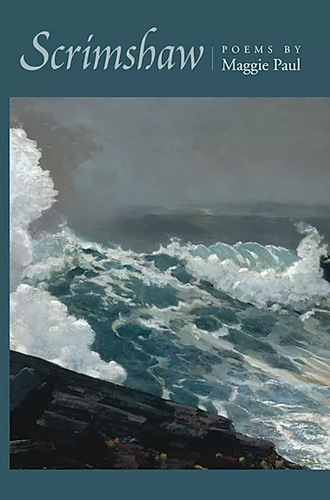
Maggie Paul’s Scrimshaw gifts us with superbly crafted poems of graceful statement and gentle wisdom. I sense here a soul making peace with the near past and distant past as the speaker recollects mother, father, children, a lover, and others. Paul writes in “Linguistics,” a poem about some unspecified but insurmountable conflict between lovers: “So much goes on beneath / the surface that the tide never washes up.” Conflicts here are discreetly remembered and slantly alluded to. This is an approach I particularly admire as it counters much of the graphic rhetoric of pain we see in poems today.
A water motif runs through many of the poems, referencing ponds, streams, and the sea. There is both delight and melancholy in these poems, and the melancholy glows as burnished gold. Take for example the opening lyric “Trochilidae.” The poem compares a diminished girl to a tiny fragile bird who comes to “bring fire to the world.”
One of my favorite poems in the collection is “Watershed,” a metaphysical poem about the flow of life and time. This prose poem tumbles forth in a rush of figurative language describing the flow of water, which is “fragrant as a season, forthright as a calendar.” Paul has the ideal sense of an ending, landing her poems neither too definitively, nor too ambiguously. In “Looking Back,” a poem about doubt and written in a series of couplets that capture paradoxes and contradictions, she writes, “We thought we came for one thing / but really came for another.” The lyric ends, “And that thing we would have died for? / We’ll not die for it again.” These are poems of wise beauty. Wade in them.
Scrimshaw by Maggie Paul. Hummingbird Press, 2020.
Reviewer bio: Lynn Levin’s most recent book is the poetry collection The Minor Virtues (Ragged Sky, 2020).



 Magazine Review by Katy Haas
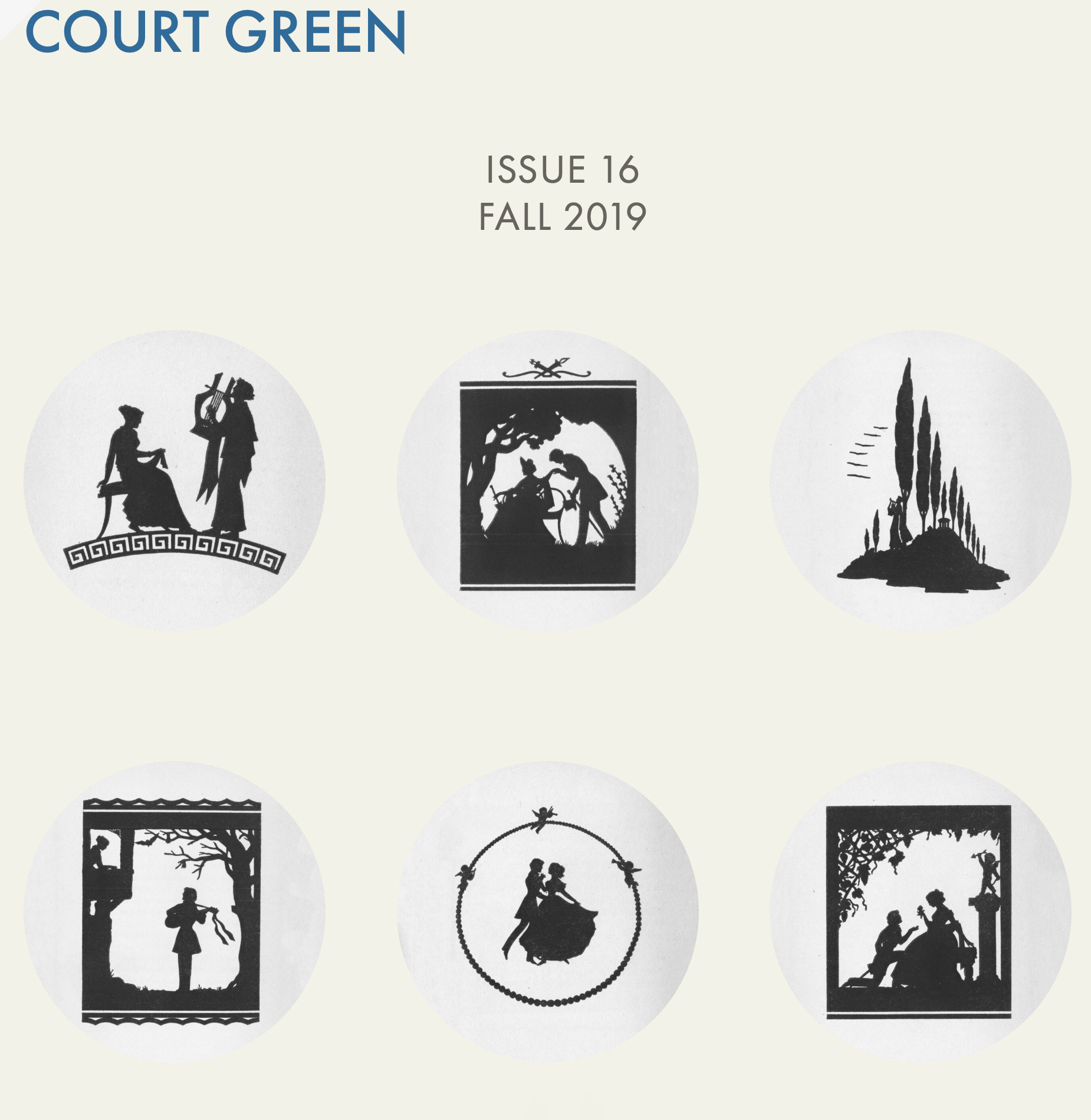
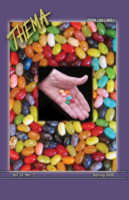 Magazine Review by Katy Haas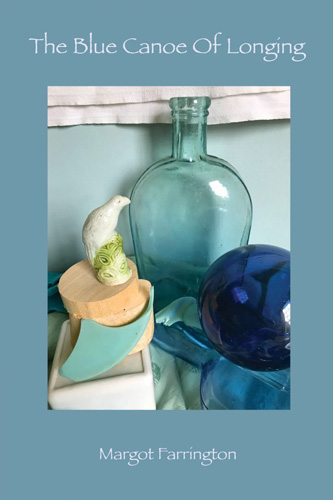
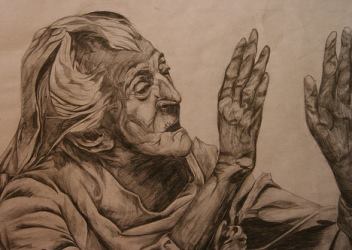





 Sometimes our best is not good enough. We make mistakes. The most painful ones are those that harm a loved one. Stress and grief leave us in agony, and we play our choice repeatedly wondering if we made the right decision. We cannot let ourselves off the hook either merely because we are human.